By clicking “Accept All Cookies”, you agree to the storing of cookies on your device to enhance site navigation, analyze site usage, and assist in our marketing efforts. View our Privacy Policy for more information.
How to train for a 10K
using strength and conditioning for your 10k training
By
August 3, 2026
.png)

Thinking About Running the Next York 10K? Don’t Forget Your Strength Training
The York 10K is always a brilliant event. Whether you are chasing a personal best, running your first ever race or simply enjoying the atmosphere, having something in the calendar can give your training a real sense of direction.
Most people naturally assume that preparing for a 10K means doing more running. Running consistently is important, but it is only one part of the picture. Adding strength and conditioning to your training can help you become a stronger, more efficient and more resilient runner.
Stronger Muscles Make Running Feel Easier
Every stride requires your legs, hips and core to absorb force and then produce enough power to move you forwards. Strength training improves your ability to do this.
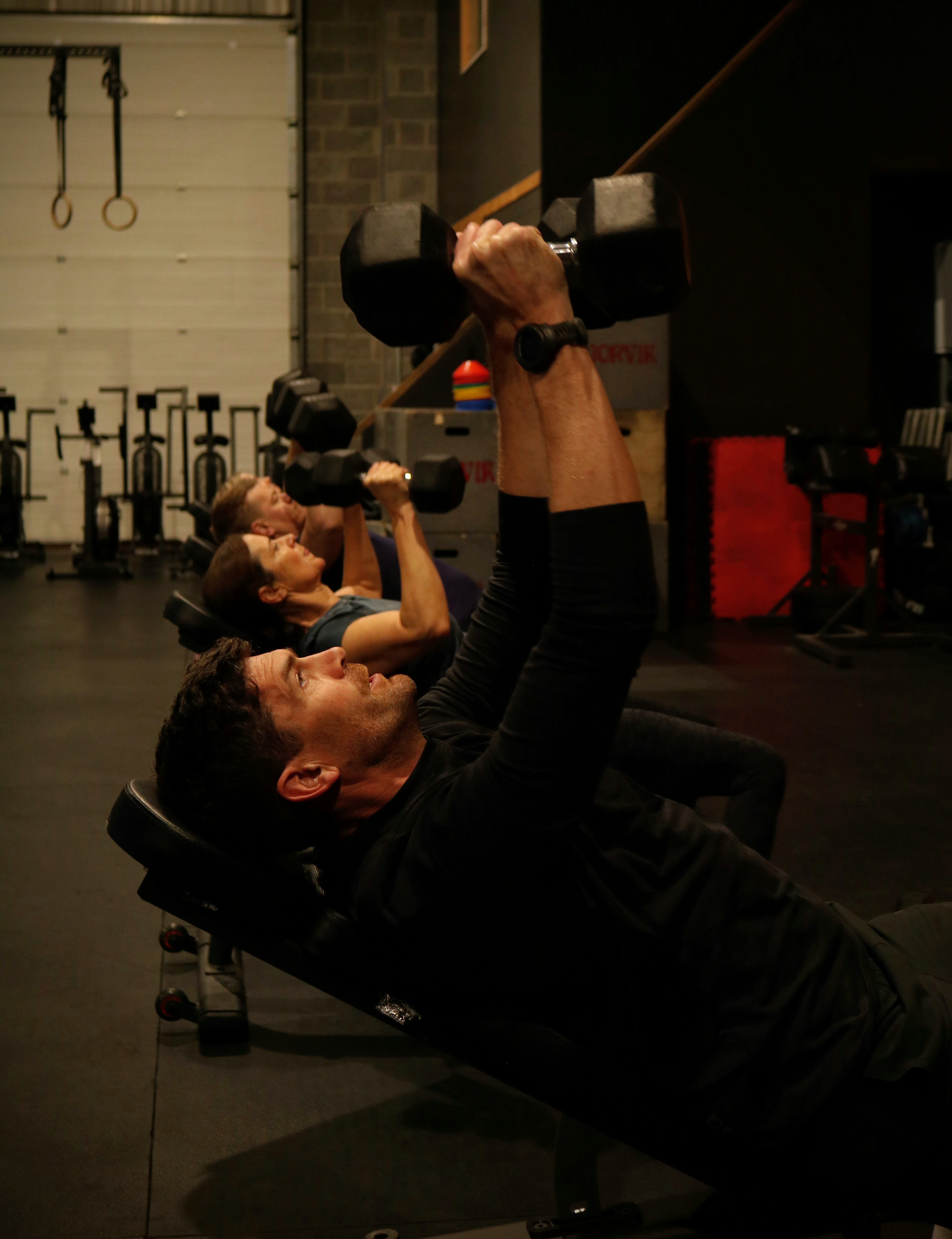
Exercises such as squats, lunges, deadlifts, step-ups and calf raises can strengthen the muscles that support your running. As those muscles become stronger, maintaining your pace may begin to feel more manageable, particularly during the later stages of a 10K when fatigue starts to build.
Strength work is not about trying to become as big or as strong as possible. It is about developing the strength you need to support your running.
Build a More Resilient Body
Increasing your running distance too quickly can place a lot of repeated stress through your feet, ankles, knees and hips. Strength and conditioning can help prepare your body to tolerate this workload.
A good programme will strengthen the muscles around your joints, improve your control and address areas that may not receive enough attention through running alone.
It cannot guarantee that you will never experience an injury, but it can help create a stronger foundation for your running training.
Improve Your Running Efficiency
Your core and upper body also play an important role in running. A strong, stable body helps you maintain a better position as you become tired.
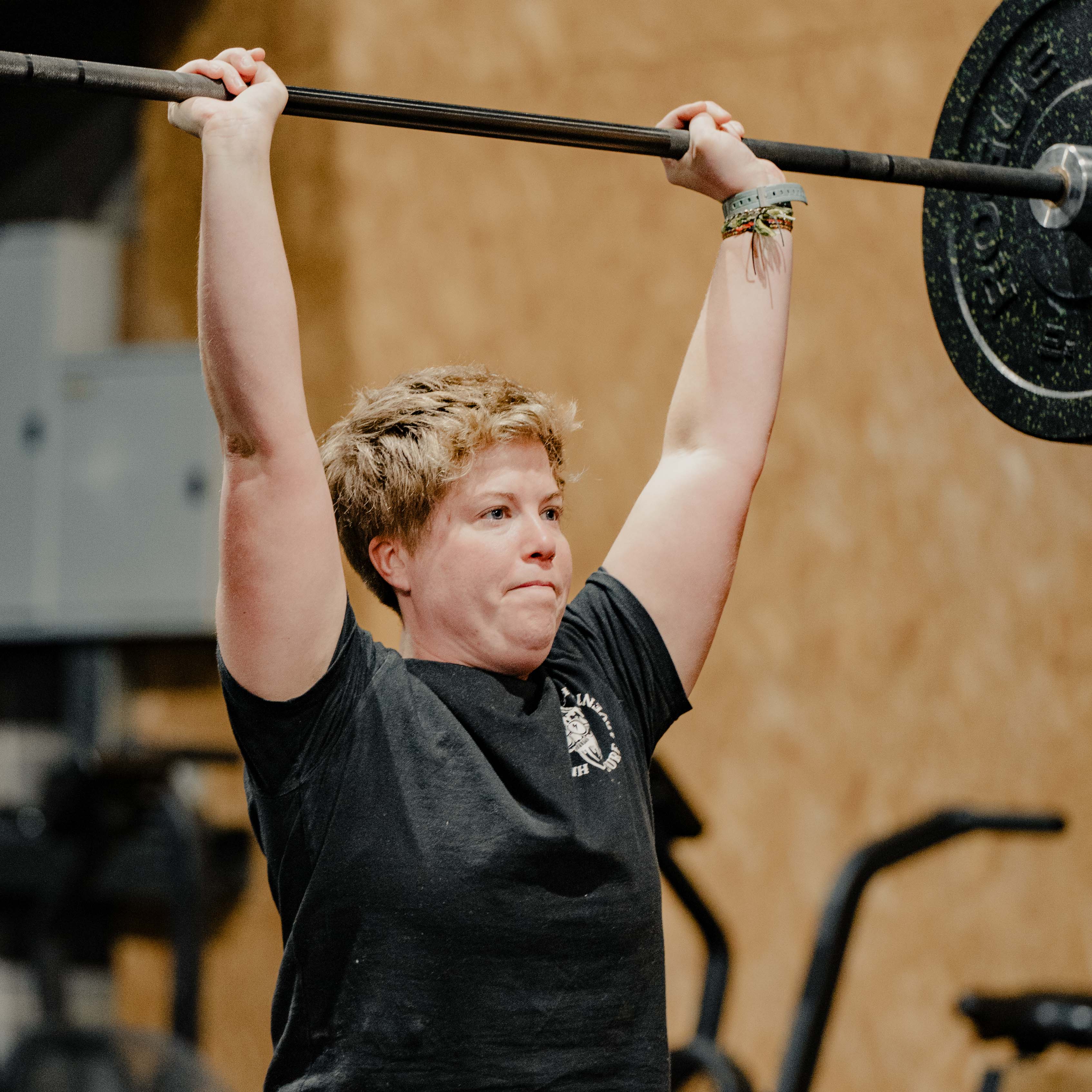
Without enough strength, your posture may begin to collapse, your stride can become less efficient and each kilometre can require more effort. Strengthening your core, back and shoulders can help you stay controlled and continue moving well throughout the race.
Prepare for More Than a Flat Treadmill
A 10K is not simply about moving your legs for six miles. You may need to deal with changes in pace, corners, crowded sections, uneven surfaces and the temptation to start far too quickly.
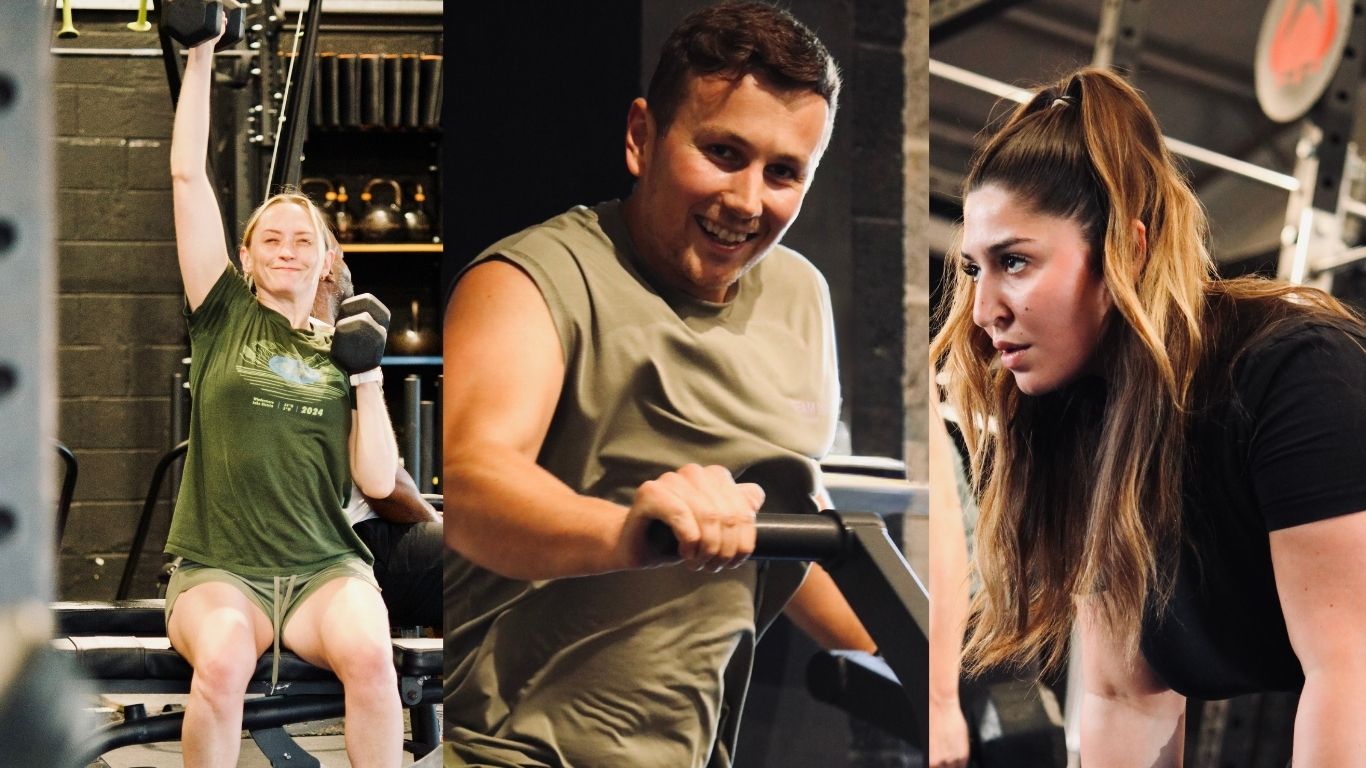
Conditioning sessions can develop your overall fitness while giving your body a different challenge from steady running. Bikes, rowers, ski ergs, carries and carefully planned circuits can help improve your work capacity without every session adding more impact through your joints.
How Often Should Runners Strength Train?
For most recreational runners, one or two strength sessions each week can make a meaningful difference.
These sessions do not need to leave you unable to walk for three days. The aim is to gradually build strength alongside your running, not to constantly exhaust yourself.
Your week could include:
- One longer, easier run
- One shorter or faster running session
- One comfortable recovery run
- One or two strength and conditioning sessions
- At least one proper recovery day
The right balance will depend on your experience, your schedule and how well you recover.
Start Before Your Running Plan Begins
You do not need to wait until the official race training begins. Building strength now gives you time to develop a better foundation before your running volume increases.
Starting early also means you can progress gradually rather than trying to add running, strength work and harder sessions all at once.
The best training plan is not the one that looks the most impressive. It is the one you can follow consistently while staying healthy, recovering well and enjoying the process.
Train for the York 10K With Support
At CrossFit Jorvik, our strength and conditioning sessions can work alongside your running rather than competing with it. Our coaches can help you choose suitable movements, manage the intensity of your sessions and make adjustments based on your experience and goals.
You do not need to already be strong, fit or confident in a gym. You simply need somewhere to start.
The next York 10K may feel a long way away, but the work that helps you enjoy race day can begin now.
.png)
.png)
.png)
.png)
.png)
.png)
.png)
.png)
.png)
.png)
.png)

.png)